
Your Coins
Coins
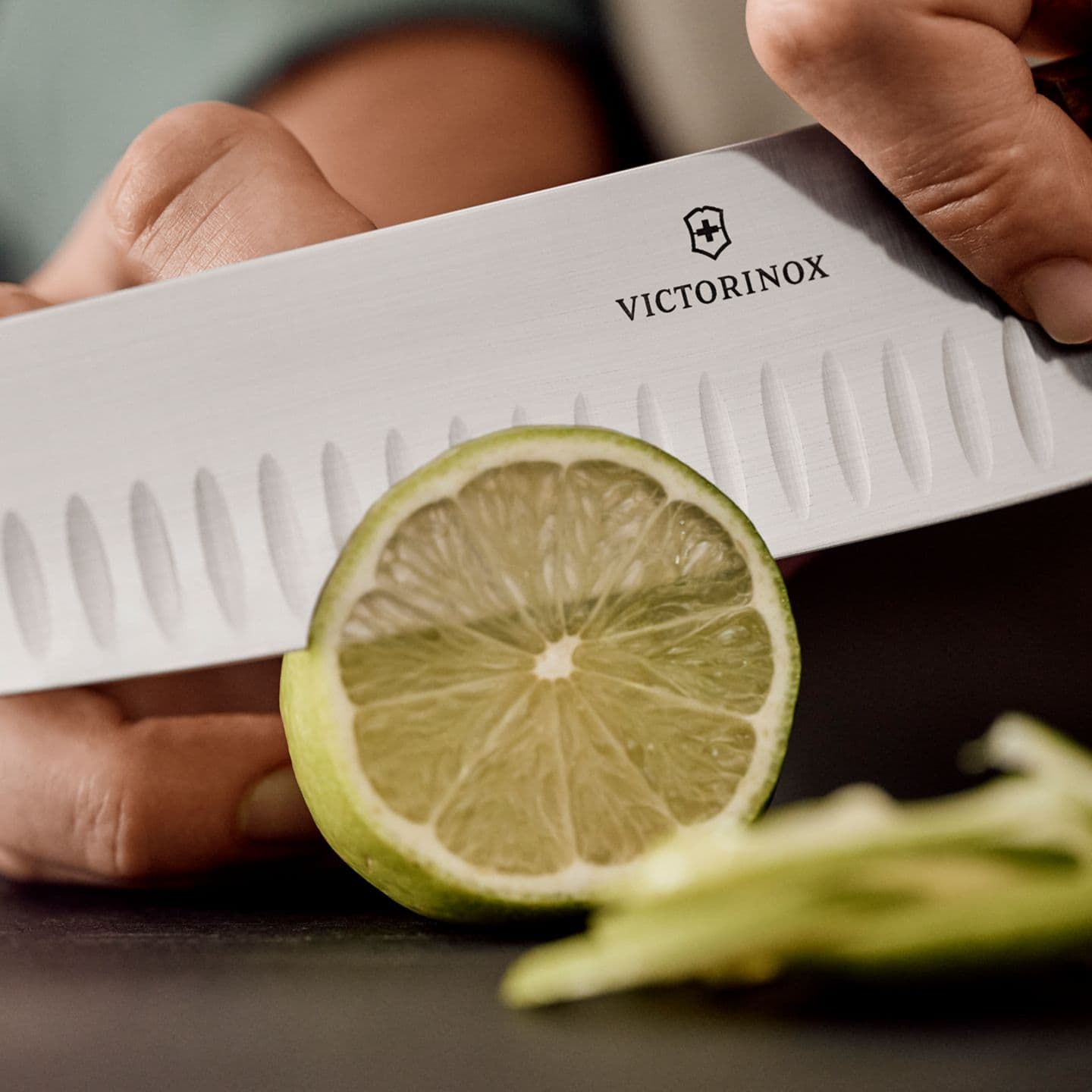
A good kitchen knife is made up of several key parts, each designed to improve balance, safety, and cutting performance. Understanding these parts helps you use your knife more effectively and choose the right tool for different kitchen tasks.
Here are the main parts of a kitchen knife and what they do.
Straight Edge
The most common knife edge. Straight edges are smooth and ideal for slicing, chopping, and cutting a wide range of ingredients. Chef’s knives and paring knives typically use this edge.
Serrated Edge
Serrated knives have small teeth along the blade, making them ideal for cutting foods with tough exteriors and soft interiors, such as bread or tomatoes.
Scalloped Edge (Granton Edge)
This edge features small dimples along the blade that help prevent food from sticking while cutting. It is commonly found on santoku and slicing knives.
Hollow Ground Edge
Hollow ground blades are sharpened on both sides to create a very thin, sharp edge. They are excellent for precise slicing and are often used on vegetable knives such as nakiri knives.
The blade is the main cutting part of the knife. It is designed to slice, chop, and cut ingredients. The blade includes several important sections such as the edge, spine, tip, and heel.
The edge is the sharpened side of the blade that does the cutting. A sharp edge allows you to cut through ingredients smoothly and with greater control.
Knife edges can be straight or serrated, depending on the type of knife and its intended use.
The spine is the top, unsharpened part of the blade opposite the edge. It provides strength and balance to the knife. A thicker spine generally means a stronger, more durable blade.
The tip is the front section of the blade used for delicate tasks such as slicing, trimming, or piercing ingredients.
It is especially useful for detailed work like cutting herbs or removing small imperfections from fruits and vegetables.
The heel is the rear part of the blade closest to the handle. This section is usually the widest and strongest part of the blade and is often used for cutting tougher ingredients.
The tang is the portion of the blade that extends into the handle. A full tang, which runs through the entire handle, provides better balance and durability.
The handle is the part of the knife you hold while cutting. It is designed to provide comfort, grip, and control during use.
Handles can be made from a variety of materials, including wood, plastic, or composite materials.
The bolster is the thick section between the blade and the handle. It helps balance the knife and provides additional protection by preventing your fingers from slipping onto the blade.
The butt is the end of the handle. It helps stabilize the knife and can provide additional balance.
Knowing the different parts of a knife helps you handle it safely and use it more efficiently. It also helps you understand how quality knives are designed for better balance, precision, and durability.
With the right knowledge and proper care, a well-made kitchen knife can remain a reliable tool for many years.
Please sign in to comment.