
Your Coins
Coins
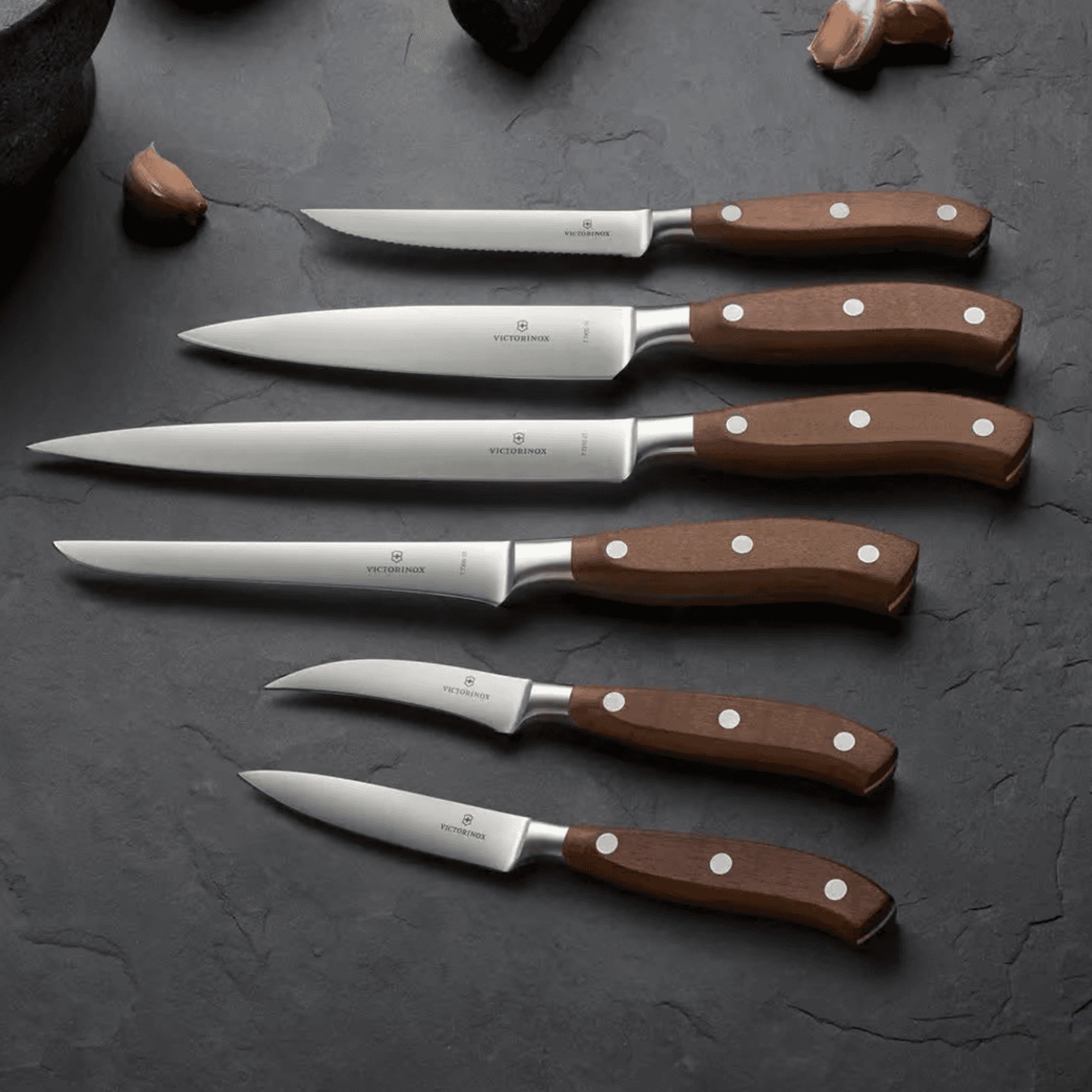
A well-equipped kitchen starts with the right tools. Different kitchen knives are designed for specific tasks, helping you prepare ingredients more efficiently and safely. Understanding the purpose of each knife can improve your cooking experience and make food preparation easier.
Chef’s Knife
The most versatile knife in the kitchen. It is used for chopping, slicing, mincing, and dicing a wide variety of ingredients.
Paring Knife
A small knife designed for precision tasks such as peeling, trimming, and cutting small fruits and vegetables.
Utility Knife
Slightly larger than a paring knife, the utility knife is useful for slicing fruits, vegetables, and sandwiches.
Boning Knife
A narrow and flexible knife designed for removing bones and trimming meat or fish.
Bread Knife
A long knife with a serrated edge that allows you to slice bread without crushing it.
Cleaver
A large, heavy knife used for cutting through meat and bones. It can also be used to crush ingredients such as garlic.
Carving Knife
A long, thin knife designed for slicing cooked meats like poultry, beef, or pork.
Santoku Knife
A versatile Japanese knife used for slicing, dicing, and chopping vegetables, fish, and meat.
Fillet Knife
A thin, flexible knife designed for filleting fish and removing delicate bones.
Nakiri Knife
A Japanese vegetable knife with a straight blade that allows clean, precise chopping.
Cheese Knife
Designed to cut different types of cheese. Some feature holes in the blade to prevent soft cheeses from sticking.
Tomato Knife
A small serrated knife designed to cut through tomato skin without crushing the soft interior.
Stainless Steel
Durable, rust-resistant, and easy to maintain. One of the most common materials for kitchen knives.
Carbon Steel
Very sharp and durable but requires more care, as it can rust if not cleaned and dried properly.
Damascus Steel
Made by layering different steels together, creating a strong blade with distinctive wave patterns.
Please sign in to comment.