
Your Coins
Coins
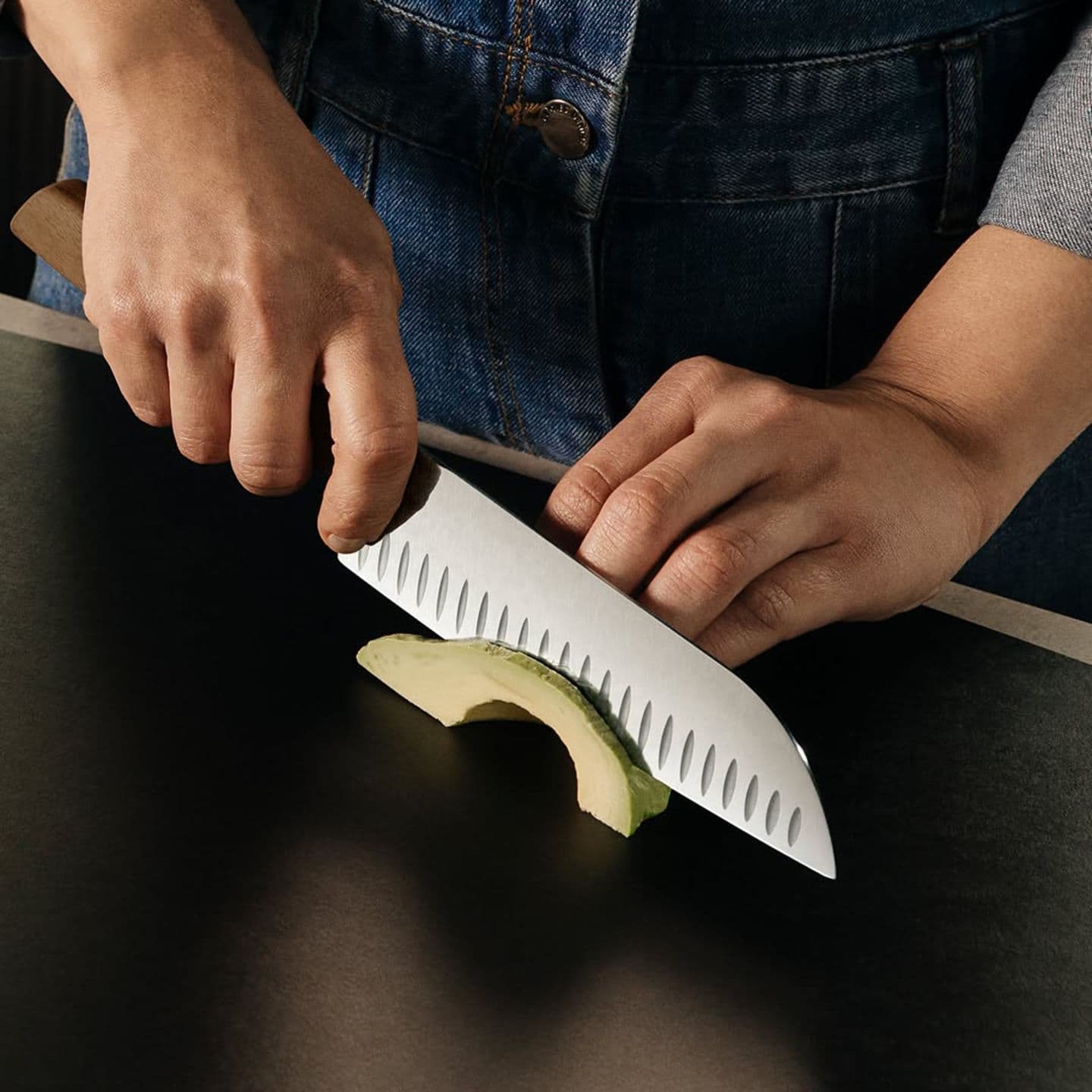
Regular sharpening and proper care for your kitchen knives are essential. Not only does it make cutting through ingredients easier and smoother, but it also makes meal preparation safer.
A well cared-for knife improves safety by providing better control and precision, while also increasing the knife’s longevity. By keeping the blade sharp and free from corrosion, you ensure reliable performance and maintain good kitchen hygiene.
Proper storage, regular sharpening, and correct cleaning methods are all key when maintaining your kitchen knives. Follow these simple tips to keep your knives in excellent condition for years to come.
Always use a wooden or plastic chopping board when preparing ingredients. These materials provide a hygienic surface while protecting the blade from unnecessary wear.
Avoid cutting on glass, stone, or ceramic surfaces, as these materials are too hard and can quickly dull or chip the blade.
It can be tempting to use a kitchen knife to open boxes or packages, but this can damage the blade and cause it to dull quickly.
Kitchen knives are designed specifically for cutting food, so using them for other tasks can reduce their performance and lifespan.
Each knife is designed for a specific purpose in the kitchen. Using the right knife for the right task helps improve efficiency and protects the blade.
For example:
A nakiri knife is ideal for chopping vegetables.
A bread knife is designed for slicing bread and baked goods.
A chef’s knife is versatile and suitable for most cutting tasks.
Understanding how each knife works will help you get the best results when preparing food.
Dishwashers are too harsh for kitchen knives. High-pressure water jets and strong detergents can damage the blade, weaken the handle, and lead to corrosion.
Instead, always wash your knives by hand using warm, soapy water and a soft sponge. This helps preserve both the sharpness and the appearance of the blade.
After washing your knife, rinse off any remaining soap and dry it immediately with a clean cloth.
Allowing knives to air dry can lead to moisture build-up, which may cause rust or corrosion over time.
Carbon steel knives require additional care because they react more easily with acidic foods such as tomatoes, citrus fruits, and vinegar.
After cutting acidic ingredients, rinse and dry the knife immediately to prevent corrosion and maintain the blade’s condition.
Proper storage protects the blade from damage and helps keep your kitchen safe.
Popular knife storage options include:
Knife blocks
Magnetic knife strips
Knife guards or wraps
These storage solutions help keep blades sharp while reducing the risk of accidental cuts.
Regular maintenance is essential to keep your knives performing at their best.
Check your knives frequently for signs of wear and keep them sharp by using a whetstone. After sharpening, use a honing steel to realign the blade and maintain its edge.
With regular sharpening and proper care, your kitchen knives will remain reliable tools for everyday cooking.
Please sign in to comment.