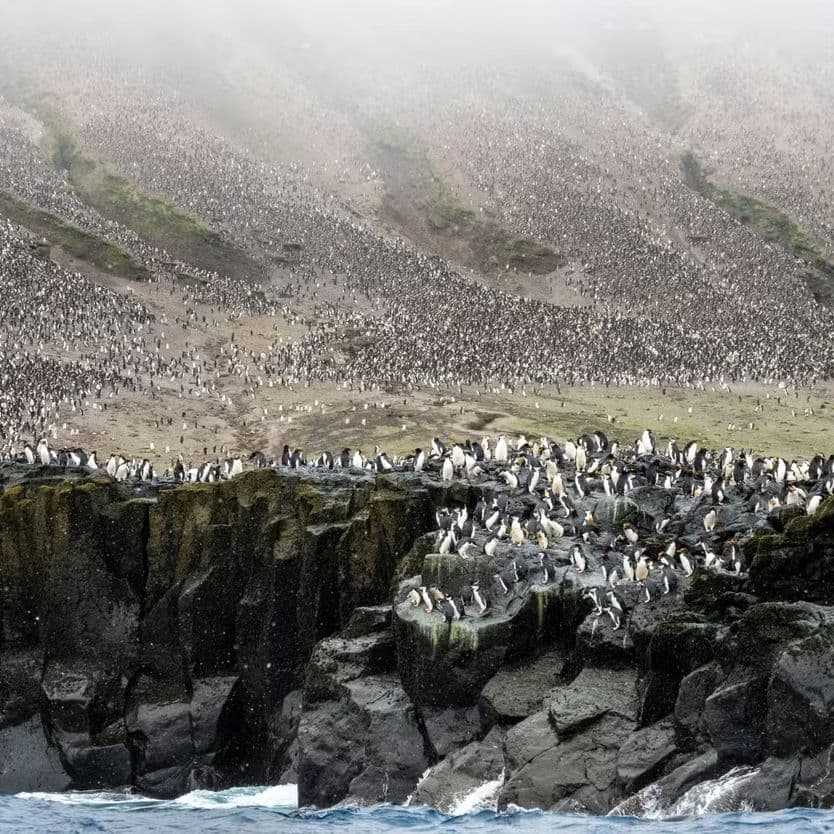
WWF Sounds Alarm on Wildlife Decline
WWF Report: Global Wildlife Decline Hits 73%
A new report from the World Wildlife Fund (WWF) delivers a stark message: wildlife populations around the world have dropped by an average of 73 percent in just fifty years. Birds, mammals, amphibians, reptiles, and fish are all in steep decline, painting a troubling picture of the planet’s health.
What the Numbers Mean
The Living Planet Index, updated every two years, measures the abundance of vertebrate species. In 2022 the decline stood at 69 percent. Now it has worsened to 73 percent. This steady drop reveals not only the fragility of wildlife but also the risks to ecosystems that humans rely on for food, water, and a stable climate.
Why It Matters for Everyone
Losing biodiversity is not only about watching species disappear. It directly affects human life. Healthy ecosystems clean our air, pollinate our crops, regulate the climate, and keep water supplies safe. A weakened natural world means greater challenges for people everywhere.
A Call to Act
The WWF report is a reminder that time is running out. If we are serious about protecting the natural world, we cannot afford to delay. The next decade will decide whether humanity can stop the decline and secure a future where both people and wildlife thrive.
To read the full WWF Living Planet Report, please visit this link.
Comments
Please sign in to comment.